
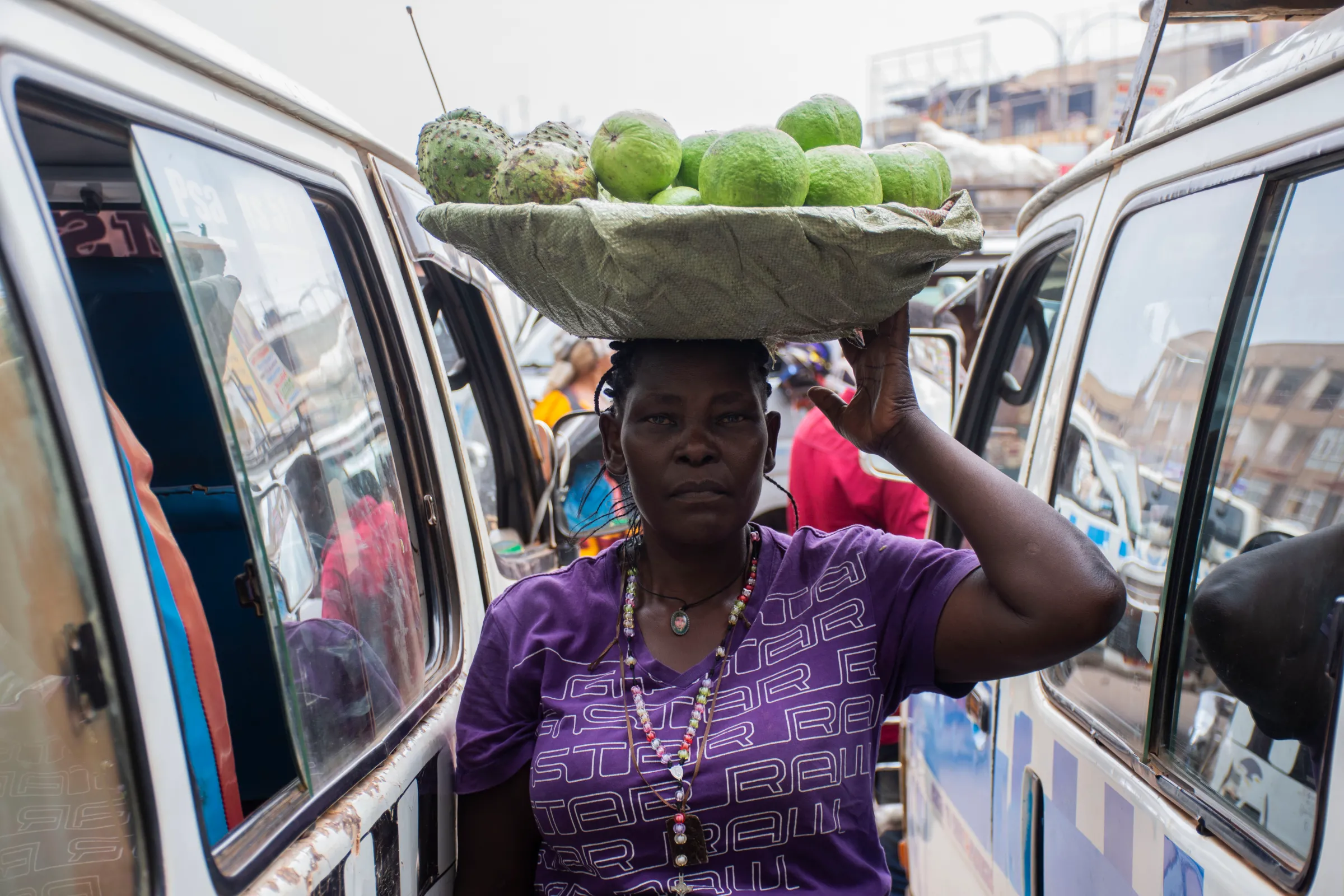
The Kampala Capital City Authority (KCCA) has announced that it has secured 4,500 stalls to accommodate street vendors ahead of their planned eviction from city streets on Wednesday, 19 February 2026. The move marks a significant step in the ongoing efforts to reorganize business operations in Uganda’s capital and restore order within the central business district.

A Major Shift for Street Vendors
For years, street vending has been both a lifeline for thousands of families and a contentious issue in Kampala. Vendors selling fresh produce, clothes, electronics, and household goods have operated along pavements and busy roads, often leading to congestion, sanitation challenges, and conflicts with city authorities.
KCCA’s latest announcement signals a renewed push to clear vendors from the streets while attempting to provide alternative trading spaces. By securing 4,500 stalls, the authority says it aims to ensure that affected traders have designated areas from which they can continue operating legally.
Why the Eviction?
City officials argue that street vending has contributed to:
Traffic congestion in the central business district
Obstruction of pedestrian walkways
Poor sanitation and waste management
Safety risks for both vendors and the public
The eviction exercise is part of broader urban management reforms intended to improve mobility, cleanliness, and overall city planning.
KCCA maintains that formalizing vending spaces will help streamline revenue collection, improve hygiene standards, and create a more organized trading environment.
What This Means for Vendors
While the provision of 4,500 stalls may seem like a positive development, questions remain about:
Allocation criteria: Who qualifies for the new stalls?
Location: Are the stalls in high-traffic areas where vendors can sustain their businesses?
Affordability: Will rent or operational fees be manageable for small-scale traders?
Capacity: Are 4,500 stalls enough to accommodate all affected vendors?
For many vendors, street trading has offered flexibility and direct access to customers. Relocating to designated markets may affect foot traffic and income, at least in the short term.
Public Reaction
Public opinion is divided. Some city residents welcome the move, arguing that it will decongest roads and restore order in the city center. Others sympathize with vendors who rely on daily sales to survive and worry about the economic impact of displacement.
Civil society groups have often called for a balanced approach — one that recognizes the importance of informal trade in Kampala’s economy while also addressing urban planning concerns.
The Road Ahead
As Wednesday, 19 February 2026 approaches, all eyes will be on how smoothly the transition unfolds. Effective communication, transparent stall allocation, and collaboration between authorities and vendors will be crucial.
If implemented carefully, this initiative could represent a turning point in managing informal trade in Kampala. However, without adequate support mechanisms, the policy risks disrupting livelihoods and sparking tensions.
The coming days will determine whether this effort becomes a model for urban reform — or another chapter in the long-running struggle between street vendors and city authorities.