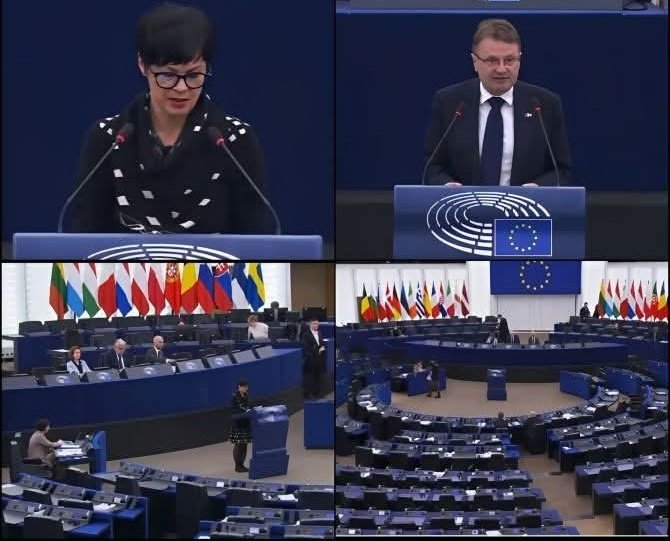
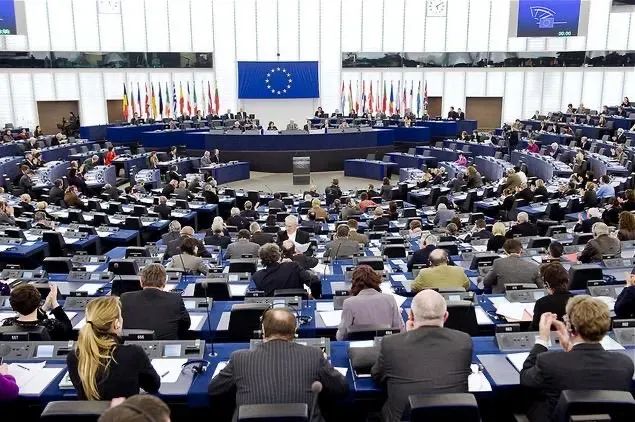
In a decisive and symbolic move, the European Parliament has passed a powerful resolution condemning the recent electoral process in Uganda. With an overwhelming vote of 514 in favor, 3 against, and 56 abstentions, Members of the European Parliament sent a clear and unified message: what took place in Uganda was not a credible democratic election.
“Not an Election, but a Military Operation”
During the parliamentary debate, lawmakers described Uganda’s electoral process as resembling a “military operation” rather than a democratic exercise. Reports of widespread intimidation, violent crackdowns, arbitrary arrests, enforced disappearances, and restrictions on opposition activity painted a troubling picture of repression rather than representation.
The resolution strongly condemns the human rights violations that followed the vote, highlighting patterns of abuse that undermine democratic governance and the rule of law.
Key Demands from the European Parliament
The resolution outlines urgent actions that must follow:
🟢 End military trials of civilians
🟢 Unconditionally release all political prisoners
🟢 Conduct independent investigations into killings and enforced disappearances
🟢 Impose targeted sanctions on commanders responsible for human rights abuses
These measures are aimed not only at addressing immediate injustices but also at establishing accountability and deterring future violations.
Why This Matters
For many Ugandans, this resolution represents more than diplomatic language — it is international recognition of their lived reality. The acknowledgment by a major global institution reassures citizens that their struggle for democratic rights is being observed beyond national borders.
While resolutions themselves do not automatically change conditions on the ground, they carry significant political weight. They can influence foreign policy, shape aid decisions, and open the door for sanctions or other diplomatic actions.
The Road Ahead
The European Parliament has spoken decisively. However, the true test lies in whether concrete action follows the resolution. International pressure, consistent monitoring, and sustained advocacy will be critical in ensuring that the calls for justice do not fade into diplomatic routine.
For the millions of Ugandans who continue to demand accountability, the message from Brussels is clear: the world is watching.