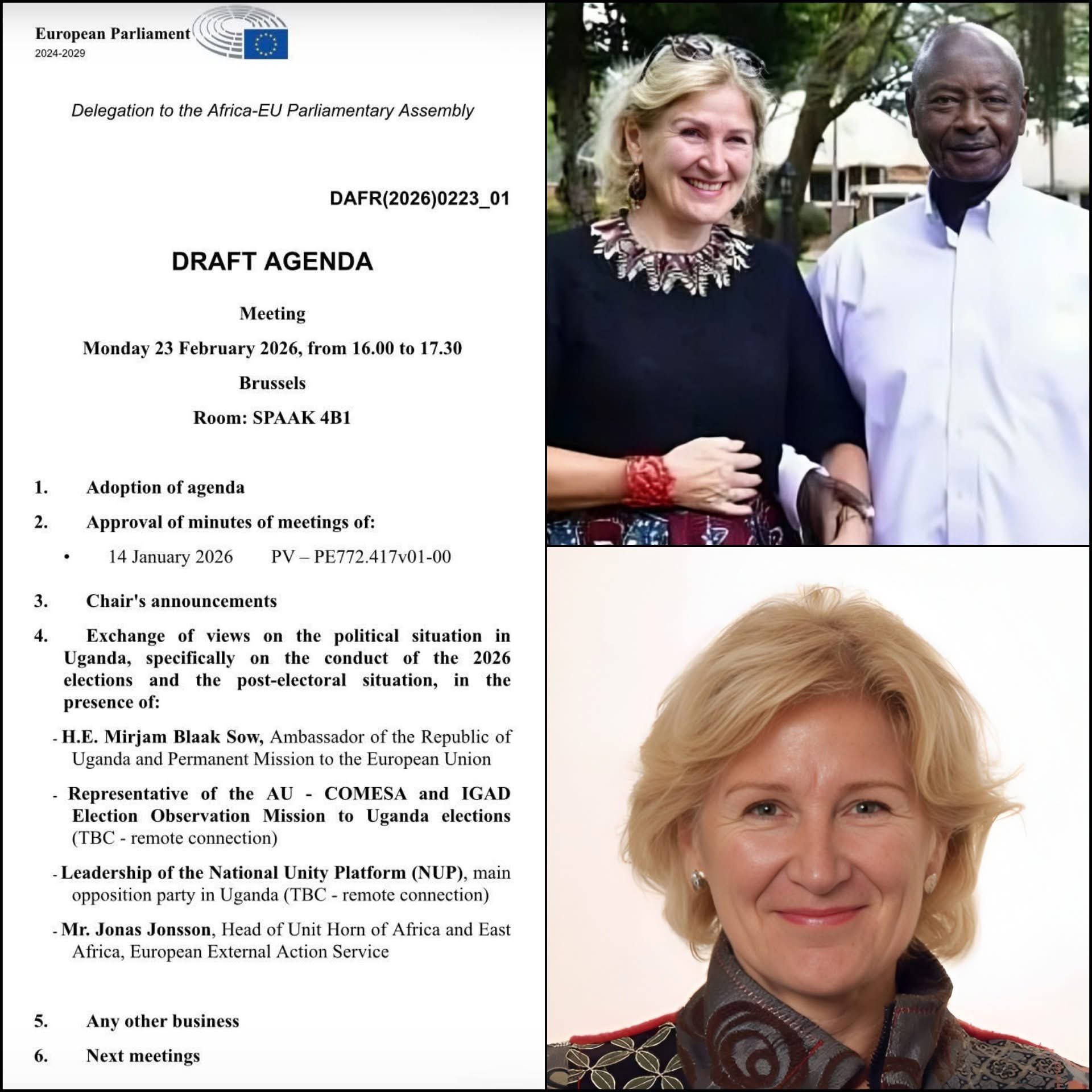
The European Parliament has invited Uganda’s Ambassador to the European Union, H.E. Mirjam Blaak Sow, to appear before its Delegation to the Africa–EU Parliamentary Assembly (DAFR) in Brussels on Monday, 23 February 2026.
Although officially described as an “Exchange of Views,” the meeting comes amid heightened diplomatic tension following Uganda’s January 2026 general elections.
This development signals growing international scrutiny of Uganda’s post-electoral environment and could have broader implications for Uganda–EU relations.
The Background: EU Concerns Over Uganda’s 2026 Elections

Uganda held its general elections on 15 January 2026. In the weeks that followed, members of the European Parliament raised concerns
Allegations of election violence
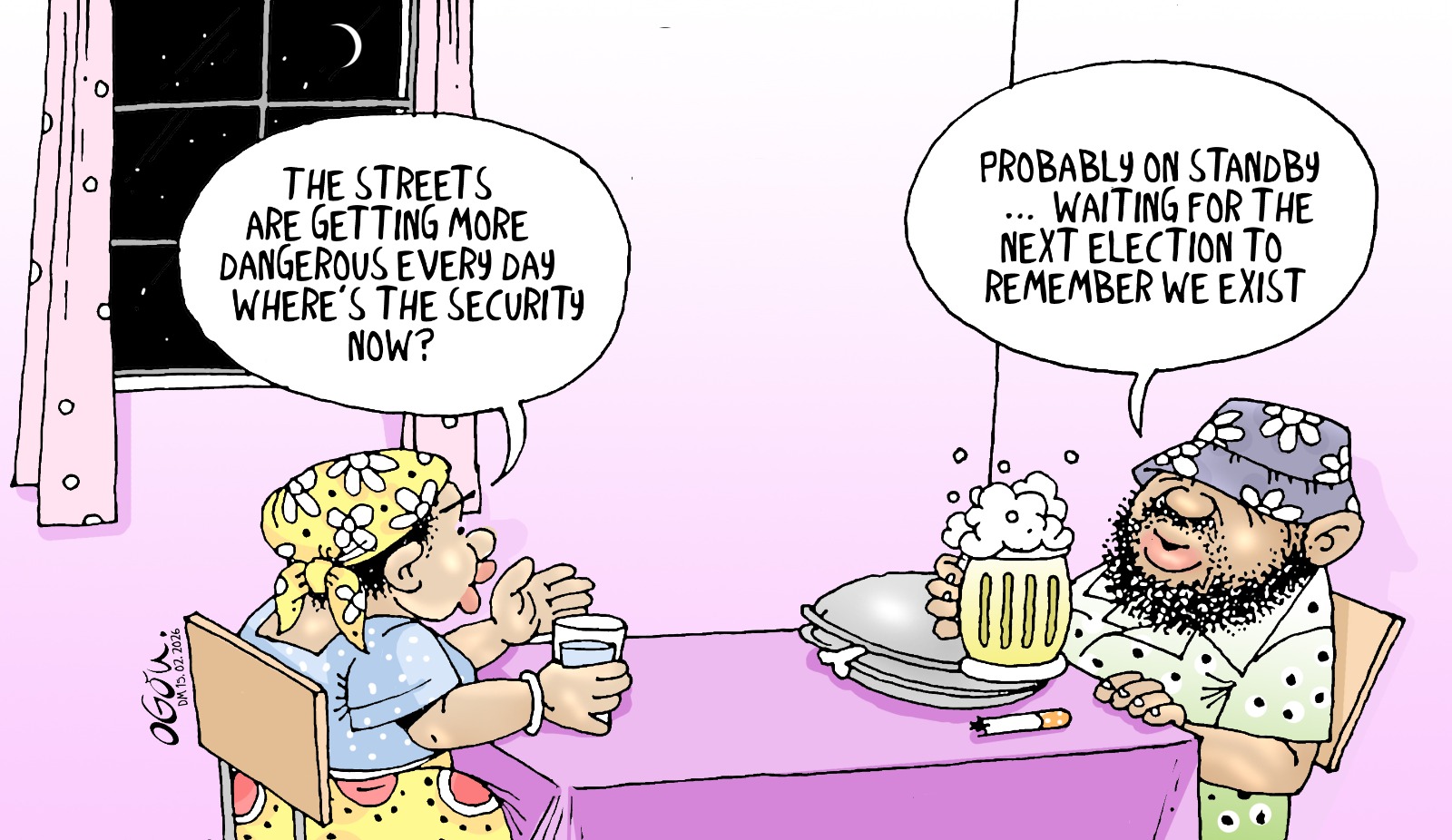
Reports of intimidation of opposition leaders and supporters
Restrictions on civil liberties
A nationwide internet shutdown during the voting period
The European Parliament subsequently adopted a resolution calling for closer examination of the post-electoral situation. Lawmakers urged accountability where violations may have occurred and called for respect for democratic principles, human rights, and political freedoms.
Why the Ambassador’s Appearance Matters
Ambassador Blaak Sow is expected to present the Ugandan government’s official position and respond to questions from Members of the European Parliament (MEPs).
In addition, representatives from the National Unity Platform (NUP) — Uganda’s main opposition party — have reportedly been invited to contribute remotely, ensuring that multiple perspectives are heard.
This dual engagement reflects the EU’s attempt to assess the situation comprehensively before considering any potential policy shifts.
Potential Diplomatic Implications
The European Union is one of Uganda’s key development and trade partners. As such, any formal review of bilateral relations carries weight. Discussions within the European Parliament could influence:
Future development cooperation agreements
Trade and investment relations
Human rights monitoring mechanisms
The possibility of targeted diplomatic measures
While no immediate decisions have been announced, Monday’s meeting represents a significant step in determining how the EU will respond to the evolving political landscape in Uganda.
A Critical Moment for Uganda–EU Relations
The upcoming engagement in Brussels highlights the importance of diplomatic dialogue during periods of political tension.
For Uganda, the session presents an opportunity to clarify its position and address international concerns. For the European Union, it is a chance to reaffirm its stated commitment to democratic governance, human rights, and the rule of law in its external partnerships.
As the discussions unfold, observers across Uganda and beyond will be watching closely to see what direction EU–Uganda relations take in the months ahead.