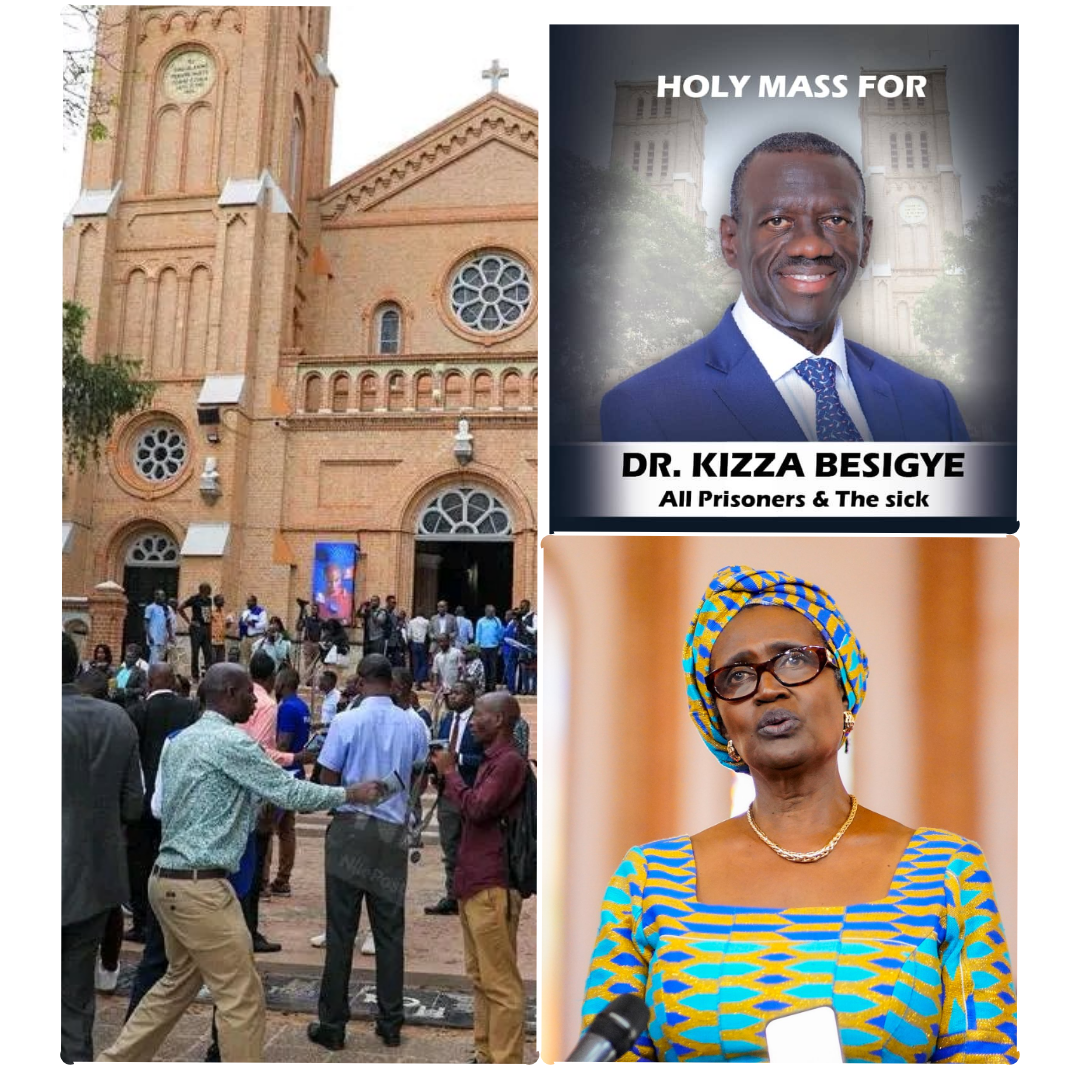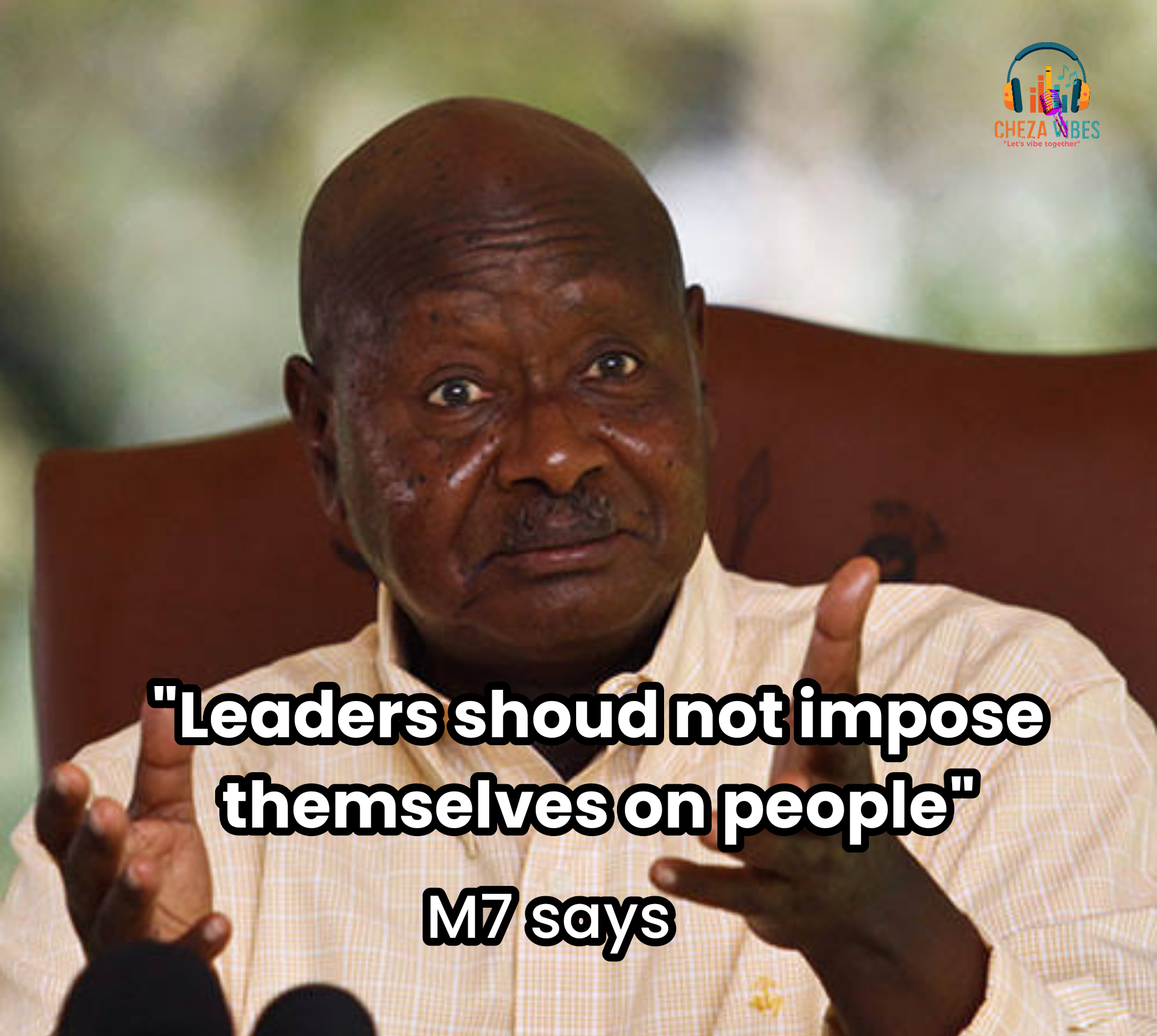
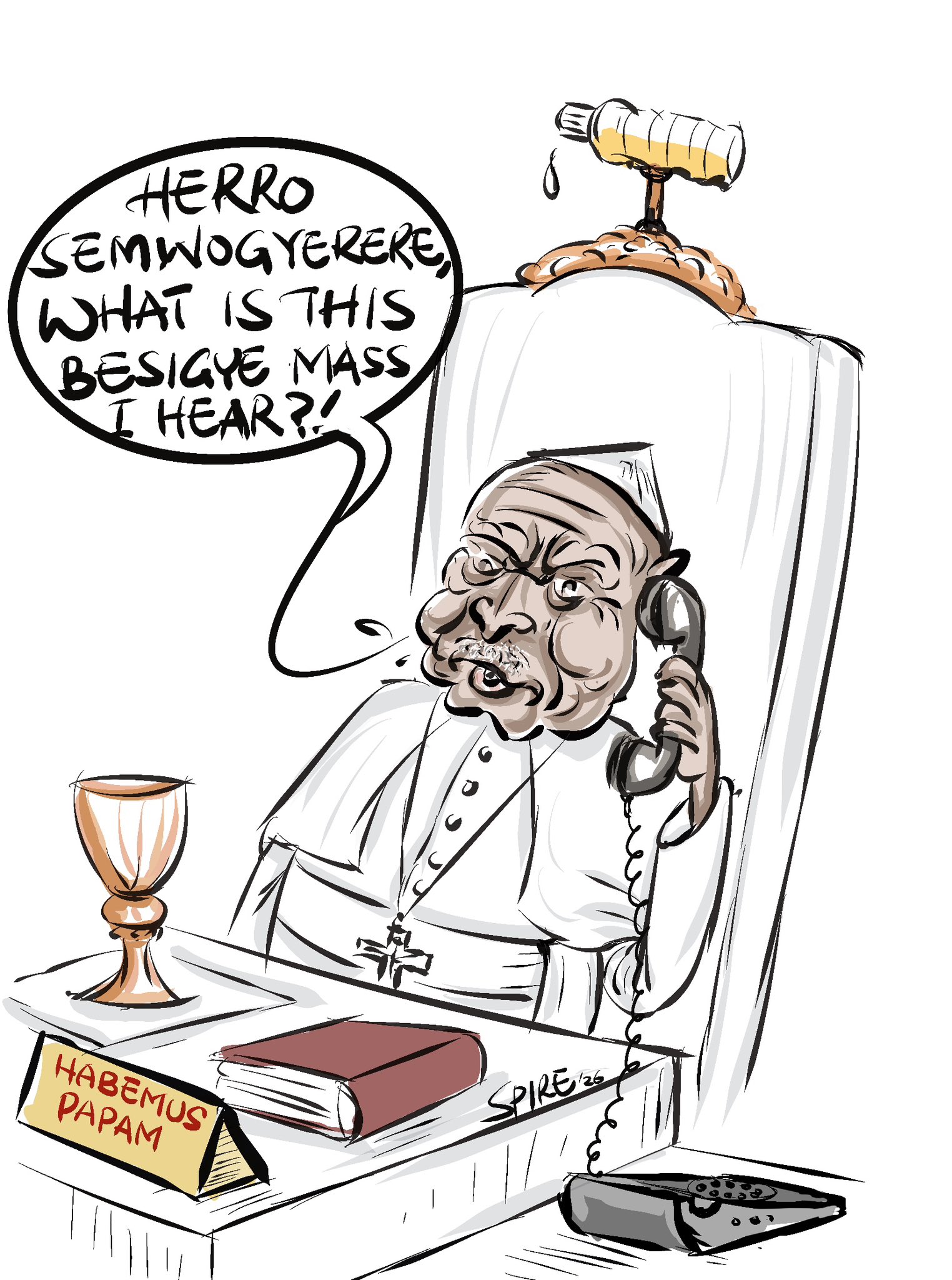
Recent events at Lubaga Cathedral—where a planned Mass linked to supporters of Kizza Besigye was reportedly postponed following concerns attributed to the government of Yoweri Museveni—have sparked a deeper national conversation.
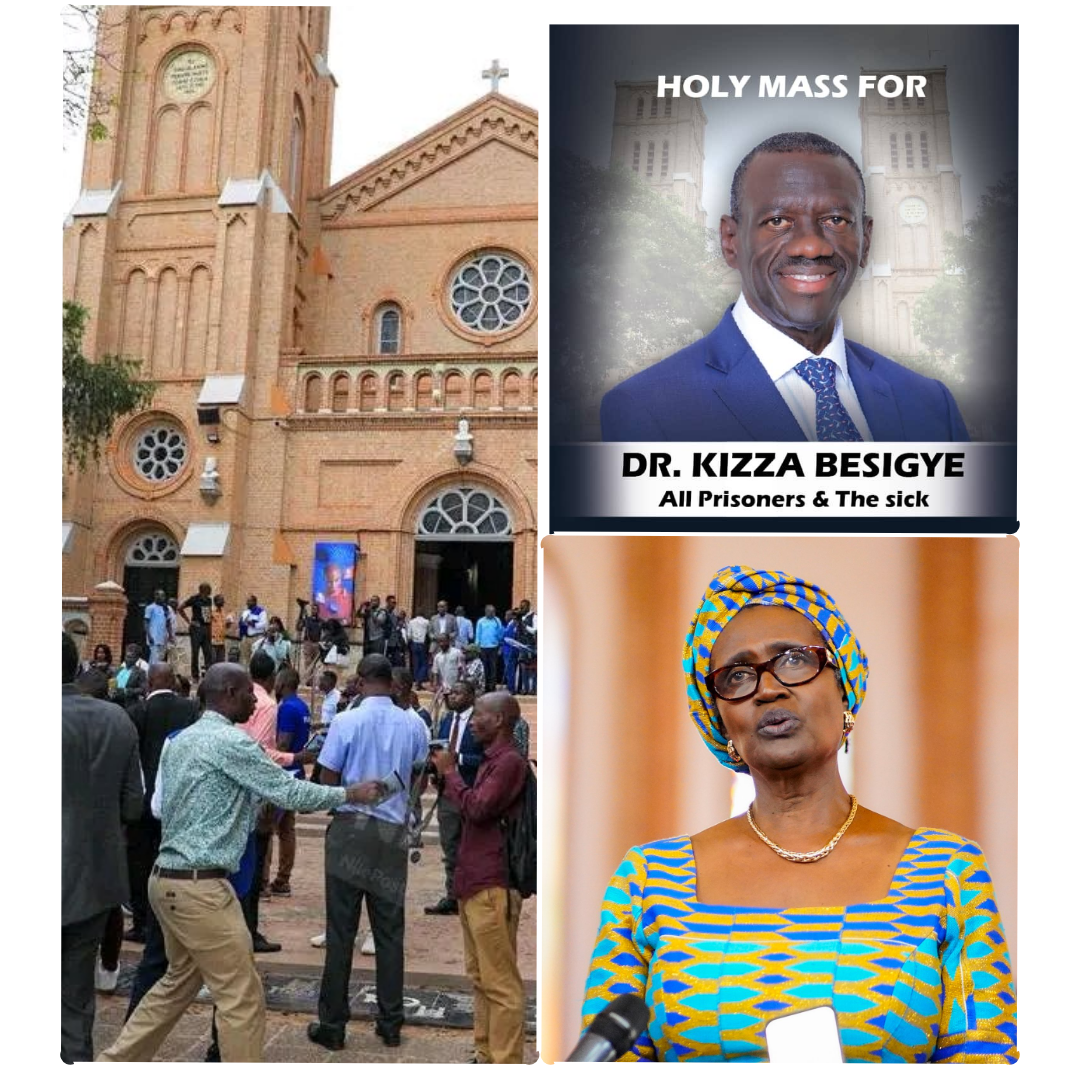
For many citizens, the question is no longer just political. It is moral and spiritual:
If even the Church appears constrained, where should people run?
The Church as a Refuge
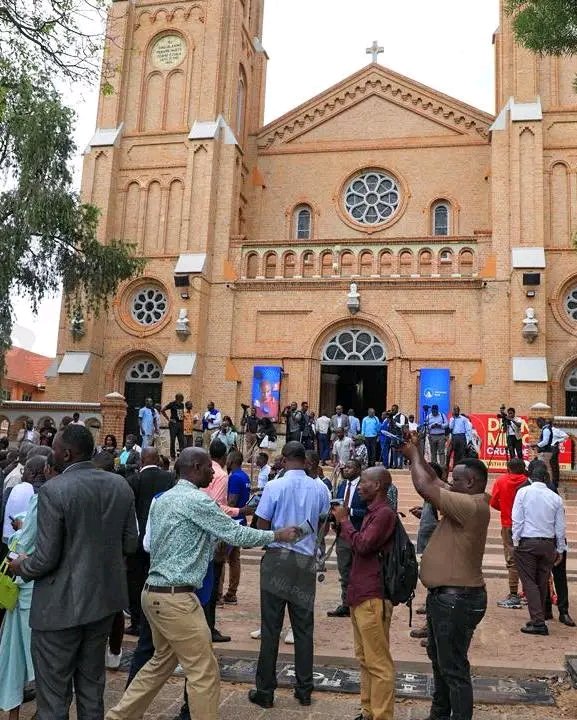
Across history, churches have served as sanctuaries—not only spiritually, but socially and politically. In times of conflict, injustice, and uncertainty, places of worship have often stood as neutral ground. They have offered prayer, mediation, and moral clarity.
In Uganda and elsewhere, religious institutions have traditionally played powerful roles in:
Advocating for peace
Defending human dignity
Mediating national disputes
Providing moral guidance when politics becomes divisive
So when a church postpones or cancels an event amid political sensitivity, it raises concerns that go beyond one Mass or one individual. It touches the very idea of sanctuary.
Fear, Pressure, and Institutional Survival
It is important to acknowledge that institutions—religious or otherwise—operate within political realities. Leaders may face legal, security, or reputational pressures. Decisions made publicly often reflect complex calculations behind closed doors.
But for ordinary citizens, those internal pressures matter less than what they experience: a shrinking space for expression.
When political tensions spill into religious spaces, many begin to wonder whether any institution remains truly independent.
If Not the Church, Then Where?
When people feel that traditional sanctuaries are constrained, they often turn to:
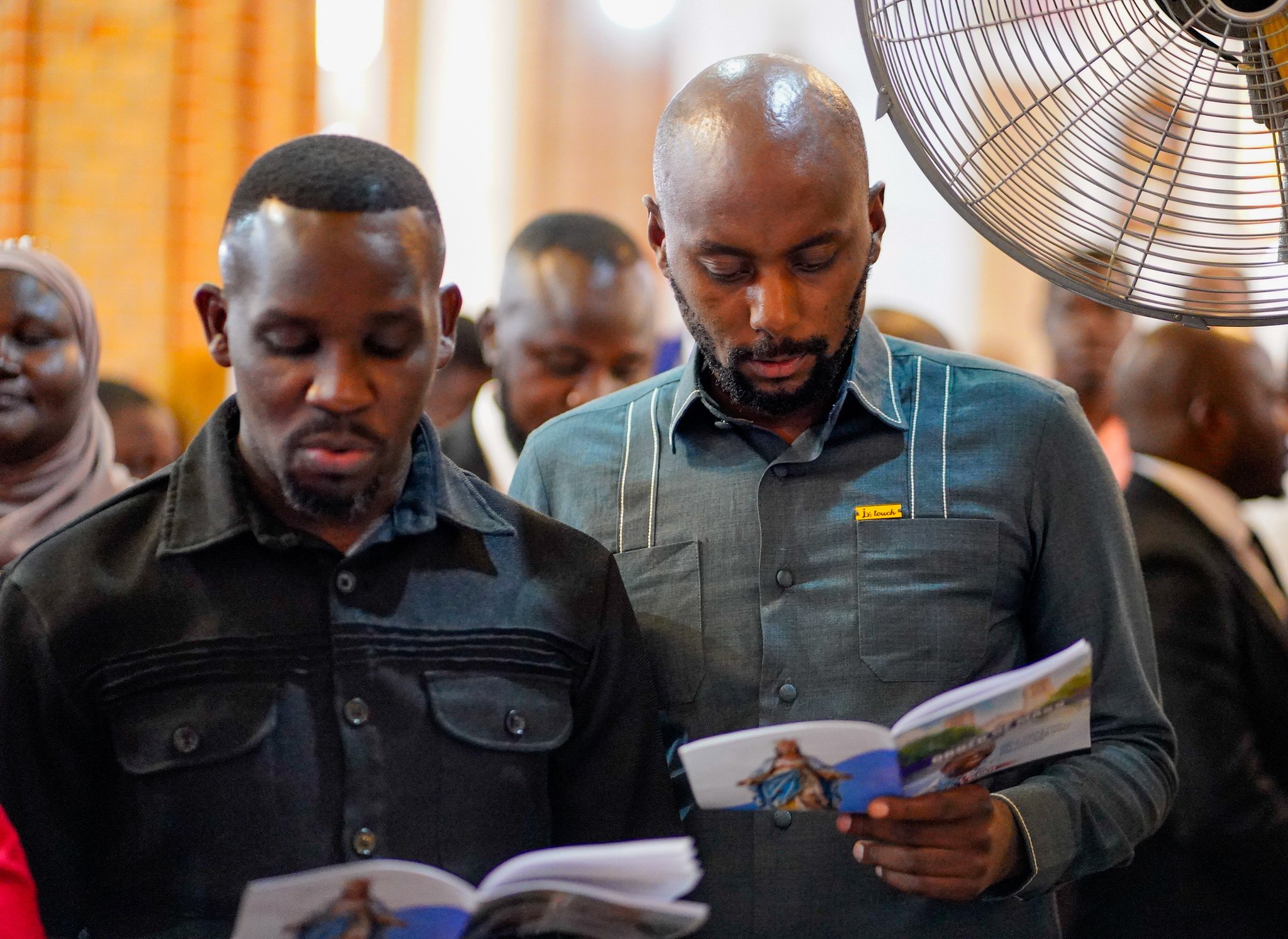
1. Civil Society
Community organizations, human rights groups, and grassroots movements can become platforms for dialogue and solidarity.
2. The Courts
An independent judiciary, where it exists, provides a structured path for addressing grievances.
3. The Media
Responsible journalism remains critical in documenting events and giving voice to differing perspectives.
4. International Attention
In some cases, global advocacy and diplomatic engagement bring pressure for accountability.
5. Personal Conscience and Community Bonds
Sometimes, the most powerful refuge is not a building—but collective solidarity among citizens committed to peaceful engagement.
The Responsibility of Religious Institutions
Religious institutions occupy a unique space. They are not political parties. Yet they are moral actors. Their influence extends beyond sermons and liturgy.
When trust in political systems weakens, people often look to faith communities for courage and clarity. Maintaining that trust requires transparency, consistency, and a visible commitment to justice and compassion.
A Nation at a Crossroads
Moments like these are not only about one cathedral or one political figure. They are about public confidence.
If citizens begin to believe that every institution bends under political pressure, frustration deepens. But if institutions—religious, civic, and legal—demonstrate integrity and fairness, trust can still be preserved.
The ultimate refuge of any society is not found in one building or leader. It lies in:
Rule of law
Freedom of conscience
Respect for peaceful assembly
Mutual accountability
When those principles remain alive, hope remains alive.